News
Volcanoes, the sea, and century-old vineyards: an in-depth look at Tenerife’s wines
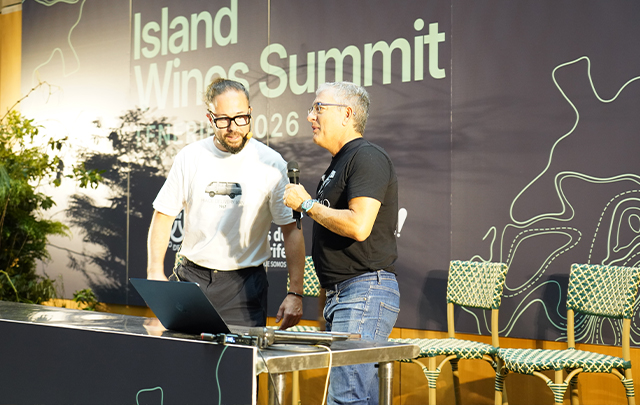
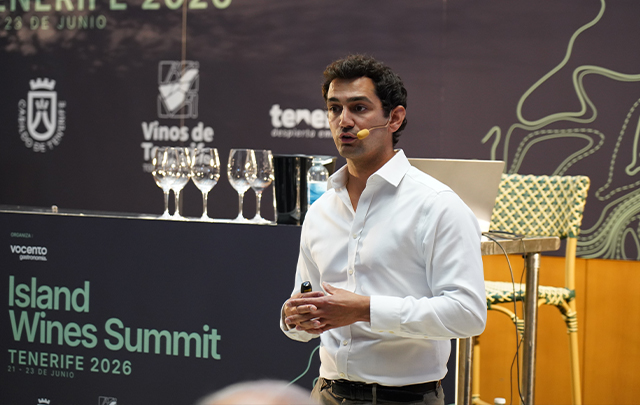
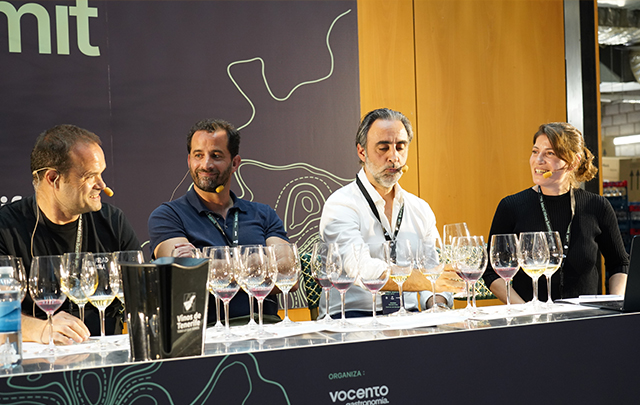
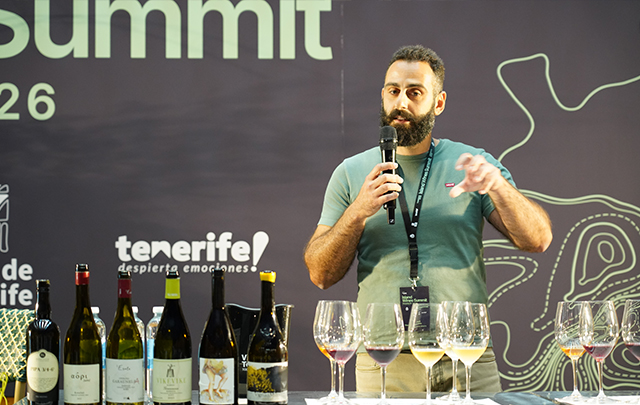
Fernando Mora presented Tenerife as a unique wine-growing region, the result of the equation “insularity + volcanism.” He explained how the island’s latitude—close to the Sahara—and its volcanic mountain range shape the climate: moisture-laden trade winds in the north, dry conditions and greater sunshine in the south, with the iconic “sea of clouds” influencing both sunshine and rainfall. Mora provided an educational overview of the rock cycle and the island’s young volcanic soils, which are rich in iron and magnesium but present complex challenges for grapevines in terms of nutrient availability. He highlighted the diversity of elevations (400–1,600 m), microclimates, and soil types, as well as the six designations of origin and the heritage of local grape varieties and old ungrafted vines—a veritable “Jurassic Park” of viticulture.
When it was the ambassadors’ turn to speak, Pablo López (Bodegas El Sitio) championed the Islas Canarias DO as a tool for vinifying grapes from various islands at a single location, producing only single-vineyard wines where each bottle “represents a terroir.” Darío López (Bodega Ferrera) championed Tenerife’s viticultural richness—still relatively unknown—which is rooted in volcanic soils, the absence of phylloxera, organic farming practices, and a landscape where local wildlife is an integral part of the vineyard. Finally, it was emphasized that Tenerife’s greatness also lies in the diversity of interpretations of the territory, with family-run wineries that, despite their very different circumstances, are shaping the new narrative of the island’s wines.
Related news
News
The Island Wines Summit in Tenerife is fostering a global community with a promising future for island wines
News
Island wine establishes itself as a global category at the Island Wines Summit
News
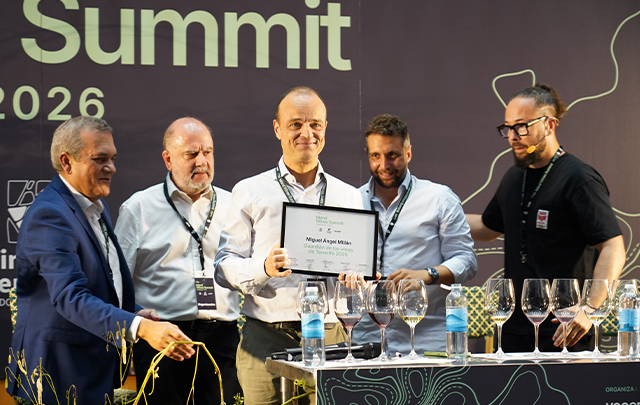
Miguel Ángel Millán, Guardian of Tenerife Wines 2026
News
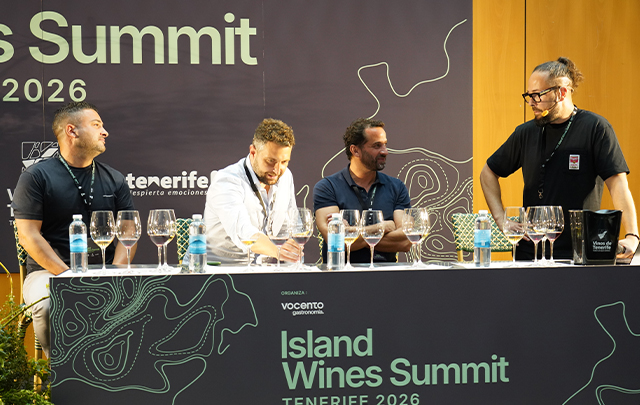
Island status as a refuge for the Atlantic wine-growing heritage
News
Four Islands in Five Sweet Wines
News
The minerality of wine as a neurosensory experience
News
Island wines: the present and future in your glass
News
The Mediterranean in a Glass: identity, volcanoes and islands in a thrilling tasting experience
News
Island wines according to Pascaline Lepeltier: from a fragmented reality to a global category
News