News
Four Islands in Five Sweet Wines
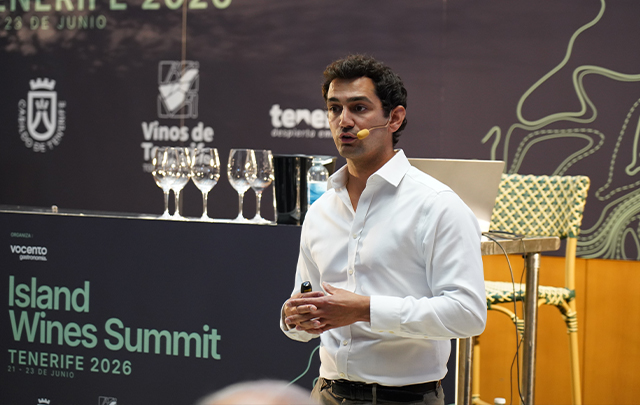
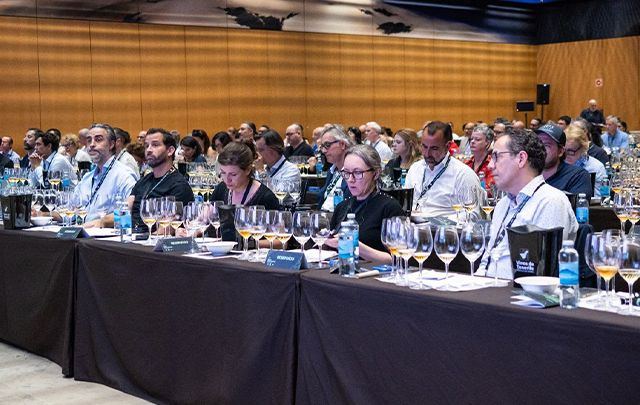
Master sommelier Matteo Montone, wine director of the Mesón Steel Group, led an educational and technical tasting of five sweet wines from four islands: Tenerife, Pantelleria, Kefalonia, and Santorini. He began with Tenerife, explaining the climatic contrast between the north and south, the influence of Mount Teide, and the volcanic soils, before presenting a fortified wine from Tacoronte-Acentejo that had been fortified to 8º and aged for 18 years in American oak, with 150 g of residual sugar and 18% alcohol, displaying tremendous aromatic complexity and balance. From there, he traveled to Pantelleria with a Passito from Donnafugata, made using staggered harvesting, raisined grapes, and fermentation in stainless steel, supported by the unique Pantelleria albarello system—a UNESCO World Heritage Site—which protects the vines from the sirocco wind and extreme heat.
The journey continued in Kefalonia with a Moscato from Petra Kopulos, where the grapes are dried in wooden gratichi, away from direct sunlight, to produce a wine with an alcohol content of about 13.5–14º, 110 g of sugar, and great freshness—a wine capable of pairing well with more than just dessert. The most extreme part of the tour came with Santorini, featuring its basket-trained vines (kouloura), phylloxera-free volcanic-sandy soils, and vineyards up to 200 years old that fuel the production of Vin Santo. Montone presented a 2017 “late release” Vin Santo, with 220 g of residual sugar, a pH of 3.1, and an extremely long aging in concrete and oak barrels, combining richness, notes of nuts and toffee with an acidity that cleanses the palate. To cap off the event, he uncorked the 1982 Vin Santo Heritage, aged for 40 years in oak barrels, with 400 g of residual sugar and a pH of 3—described as one of the best sweet wines he has ever tasted, the result of three generations’ work.
During the Q&A session, the sommelier confessed to having a special emotional connection to Passito di Pantelleria and the wines of Santorini, and he defended the gastronomic potential of sweet wines beyond dessert, though he acknowledged that their consumption is on the decline and depends heavily on the sommelier’s advocacy in the dining room. The session concluded as a celebration of historic styles—some with 3,500 years of tradition—and of the role of the Mediterranean and Atlantic islands as the cradle of great golden wines for contemporary fine dining.
Related news
News
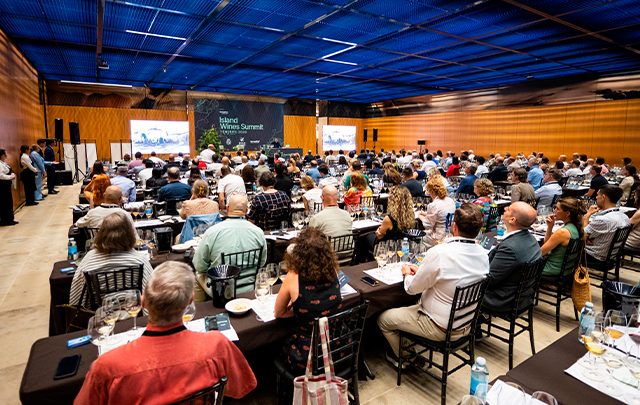
The Island Wines Summit in Tenerife is fostering a global community with a promising future for island wines
News
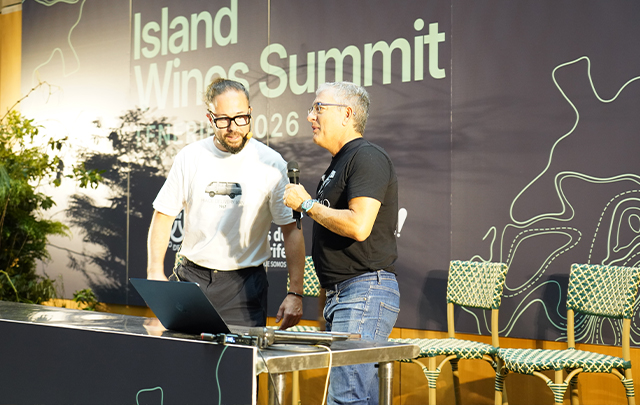
Volcanoes, the sea, and century-old vineyards: an in-depth look at Tenerife’s wines
News
Island wine establishes itself as a global category at the Island Wines Summit
News
Miguel Ángel Millán, Guardian of Tenerife Wines 2026
News
Island status as a refuge for the Atlantic wine-growing heritage
News
The minerality of wine as a neurosensory experience
News
Island wines: the present and future in your glass
News
The Mediterranean in a Glass: identity, volcanoes and islands in a thrilling tasting experience
News
Island wines according to Pascaline Lepeltier: from a fragmented reality to a global category
News