News
The ‘minerality’ of wine: a sensory reality or a construct of wine tasters?
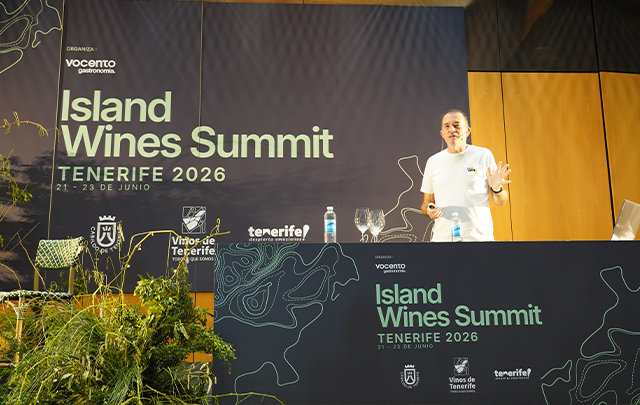
Jamie Goode’s presentation addressed the rise of the term ‘minerality’ in wine terminology since the 2000s, despite its first documented appearance in 1945. Goode explained that, although the concept is widely used in tasting notes and the specialist press, it remains difficult to define and does not correspond to a single molecule or chemical parameter. Citing the work of Geordie Ballester, he explained that professionals associate minerality with three broad families of descriptors: terms linked to stone (flint, chalk, hot stone), sensations on the palate (acidity, tension, freshness) and marine references (salty, iodine, seaweed, shell). Drawing on Wendy Parr’s research, he argued that the perception of minerality is a combination of ‘bottom-up’ signals (what is actually present in the wine) and ‘top-down’ processes (the taster’s experience, vocabulary and expectations), whereby professionals ‘frame’ the wine according to their prior knowledge, whilst novices are at a loss due to a lack of vocabulary.
Goode linked this phenomenon to the way our brain processes smells: not as lists of isolated compounds, but as ‘olfactory objects’ recognisable by patterns, just as we identify a football team with several substitutes on the pitch or a car sketched as a simple cartoon. This logic helps us understand that minerality can arise from varying combinations of dozens of compounds, without a single ‘holy grail’. When addressing the relationship with the soil, he distanced himself from the myth of ‘tasting the earth in the glass’, but argued that different soil types do profoundly influence a wine’s profile, altering the composition of the grapes and the activity of microbes. He illustrated this idea with examples of limestone, granite, basalt and gravel in regions such as Argentina, New Zealand, Burgundy, Beaujolais and Bordeaux, where clearly distinct styles seem to recur on the same type of soil.
Taking Chablis as a case study, Goode discussed a study that analysed over 16,000 tasting notes for Premier Cru wines between 2003 and 2022, which found that the use of the term ‘mineral’ is declining whilst descriptors such as ‘orchard fruit’ are on the rise. This decline could be due as much to changing trends and the controversy surrounding the term as to greater lexical precision (specifying ‘salty’ or ‘reductive’ rather than ‘mineral’) or even to a possible actual decrease in the mineral sensation associated with riper grapes in a warmer climate. Goode also reviewed studies linking minerality to specific compounds: from the role of succinic acid produced by nutritionally stressed yeasts, to sulphur volatiles such as certain thiols and disulphides that evoke flint, struck flint or phosphorus, and which appear both when rocks are fractured and in wines classified sensorily as ‘mineral’.
In his conclusions, the speaker argued that minerality should be understood as a multifactorial sensory ‘syndrome’, closer to an olfactory and gustatory object (a recognisable ensemble) than to a property easily reducible to acidity or a single chemical marker.
Acidity, he emphasised, often coexists with the concept of a mineral wine, but does not explain it on its own. Goode highlighted as contributing factors the presence of certain volatile sulphur compounds, perceived salinity (often associated with high acidity and ageing on lees), the activity of yeasts, and viticultural and oenological decisions. Late harvests, an excess of new oak or highly interventionist ‘technological’ winemaking methods tend, in his view, to mask both the expression of terroir and that sought-after mineral tension.
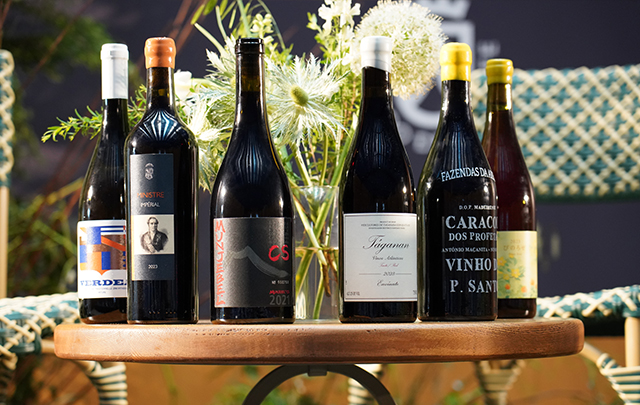
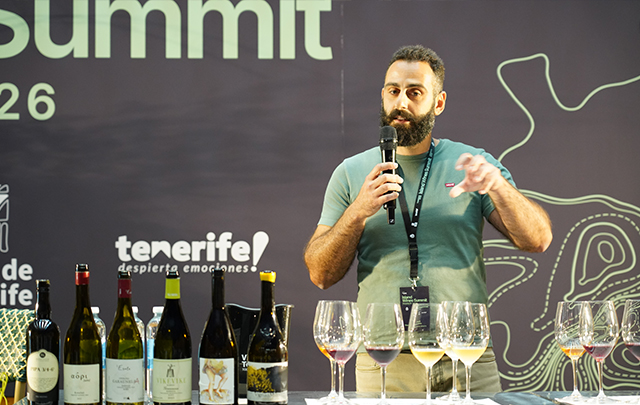
The presentation concluded with a tasting of three wines — a white Madeira aged in amphorae and two reds from volcanic soils and revived grape varieties — to illustrate a ‘new fino’ style less focused on exuberant fruit and more on tension, texture and salty or stony notes. Goode emphasised the importance of accepting a certain degree of imperfection and ‘tension’ (in the Japanese wabi-sabi style) as part of a wine’s beauty, and argued that, despite its overuse and scientific imprecision, the word ‘mineral’ remains a valuable and legitimate tool for describing a category of sensory experiences that many tasters clearly recognise in the glass.
Related news
News
The Island Wines Summit in Tenerife is fostering a global community with a promising future for island wines
News
Volcanoes, the sea, and century-old vineyards: an in-depth look at Tenerife’s wines
News
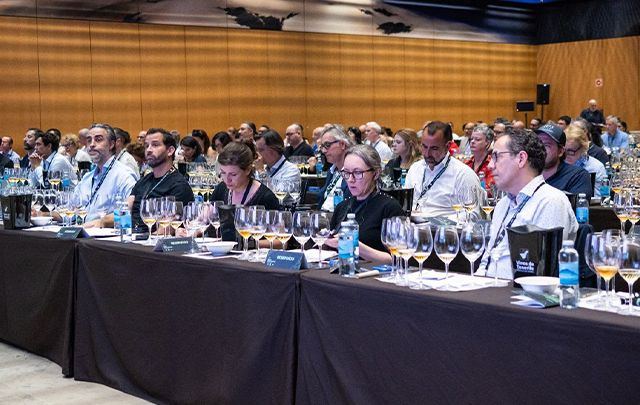
Island wine establishes itself as a global category at the Island Wines Summit
News
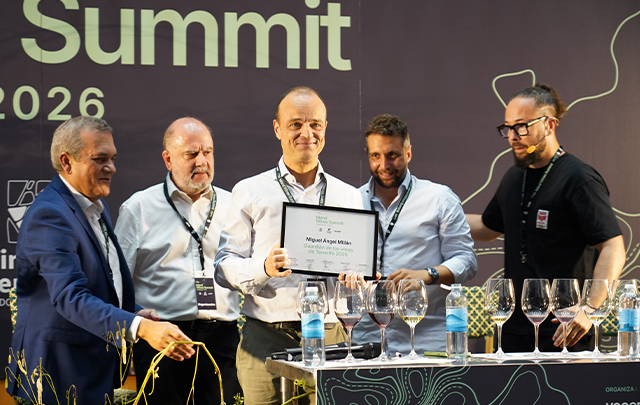
Miguel Ángel Millán, Guardian of Tenerife Wines 2026
News
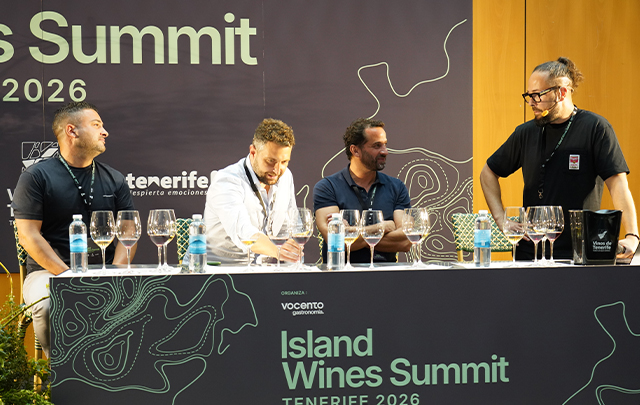
Island status as a refuge for the Atlantic wine-growing heritage
News
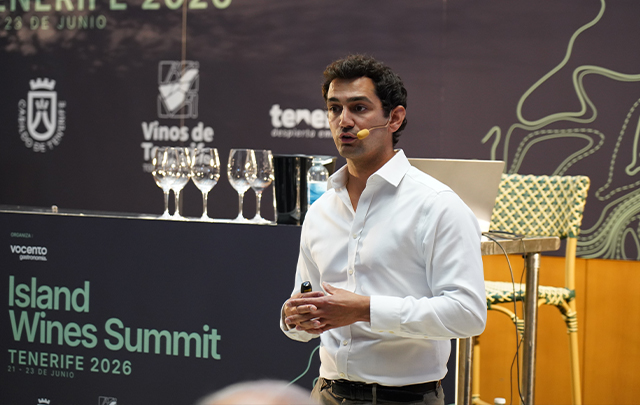
Four Islands in Five Sweet Wines
News
The minerality of wine as a neurosensory experience
News
Island wines: the present and future in your glass
News
The Mediterranean in a Glass: identity, volcanoes and islands in a thrilling tasting experience
News